AI-Driven 
Enterprise Architecture

Create transparency regarding dependencies and risks: AI-based enterprise architecture management enables the holistic and precise evolution of organizations.

Two people are working together on a computer on the topic of enterprise architecture.
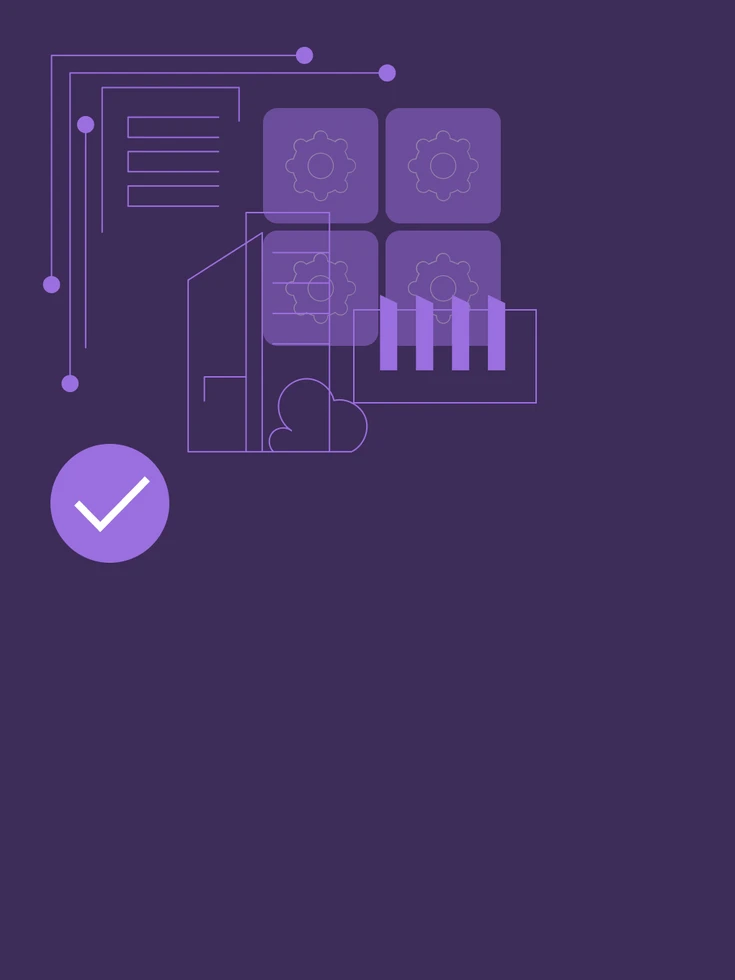
Illustration eines komplexen Architekturbilds.

Limitations of traditional enterprise architecture

Transformations are occurring simultaneously: cloud migration, platform consolidation, ERP modernization, new security requirements, and regulatory mandates are increasing complexity and the pressure to make decisions.

Organizations must understand which dependencies exist, what risks arise, and what costs decisions entail. Traditional enterprise architecture management (EAM) is often too slow for this: manual model maintenance, fragmented knowledge, and outdated models lead to a decline in the credibility of architectural views. AI-Driven Enterprise Architecture replaces static documentation with a dynamic, data-driven architectural view—validated, automatically updated, and usable for robust impact analyses in a complex IT landscape.


Why act now?

Cloud migration, platform consolidation, ERP modernization, increasing security requirements, and new regulations often occur simultaneously. An up-to-date architectural overview provides transparency regarding dependencies and allows impacts to be identified and assessed at an early stage.

Manual architecture work quickly reaches its limits in today’s dynamic business world. When the architectural model no longer reflects reality, business units and management lose confidence in the architecture. With AI-driven transparency and clear decision-making logic, enterprise architecture evolves from a purely documentary discipline into a strategic control mechanism.

Architectural knowledge is often scattered throughout organizations: it resides in employees’ minds and is spread across documentation, tickets, wikis, presentations, and tools. When people or teams change, context is often lost. The architectural picture becomes fragmented, and decision-making becomes less confident. The structured consolidation of this knowledge using AI creates a common language for IT, management, and business units, and lays the foundation for sound decisions during ongoing transformations.

Enterprise management tools, process models, CMDBs, operational data, logs, and ERP and CRM systems often exist in isolation. If architecture remains at the level of abstraction, reliable impact analyses are lacking. As a result, changes such as platform consolidations or switching cloud services cannot be adequately assessed. An integrated view that continuously aligns architectural models with system and operational behavior makes the effects transparent.

AI accelerates the analysis of fact sheets and impacts – instead of separate individual steps, it provides a continuous, consistent view of your IT landscape. Expert knowledge remains paramount, while AI supports the analysis with reliable forecasts and well-founded conclusions. BSI IT-Grundschutz and ISO/IEC 27001 establish a clear governance and security framework. This is based on binding rules: data sovereignty, data protection, access control, and secure operations. This produces traceable and verifiable results, embedded in existing decision-making processes. In this way, AI becomes an integral part of a dynamic, data-driven enterprise architecture – reliable, traceable, and based on state-of-the-art technologies.

Our Services We accelerate your enterprise architecture

Clear strategic objectives, process and interface data, and automation provide an up-to-date view of the architecture. Through clear governance, we integrate AI into your decision-making processes in a transparent and traceable manner.

Why conet?

AI-driven enterprise architecture requires a holistic approach. We combine domain, organizational, and technical expertise to deliver robust solutions that deliver lasting value.
 

Improve decision-making skills

Enterprise architecture is becoming a critical capability for decision-making. We align EAM to make complexity visible, understand dependencies, and reliably manage change.

Architecture based on real data

Traditional enterprise architecture reaches its limits when it relies on interviews, workshops, and manual maintenance. We develop an enterprise architecture that is continuously derived from your actual system, process, and operational data.

End-to-end expertise

With us, EAM becomes a shared foundation for IT, management, and business units. Clear objectives, roles, and processes enable decision-making and create a stable, manageable IT landscape.

Targeted use of AI

For us, AI is not an end in itself. We use AI strategically in areas where there is currently a high level of effort, delays, and a high risk of errors. Automated fact sheets, dependency detection, impact analyses, and decision options lead to greater impact.

Governance and security included

We integrate architecture, data, governance, and operations into a transparent and secure operating model with clear policies (BSI IT-Grundschutz, ISO/IEC 27001, ITIL, or ISO/IEC 20000), verifiable results, and high interoperability for management and business units.

Holistic approach

We integrate existing tools and data sources, orchestrate relevant information, and develop a scalable, future-proof enterprise architecture. An understanding of architecture, data expertise, and responsible AI create a reliable foundation for your IT landscape.

Our strong partners
 

Logo of the cloud provider Amazon Web Services (AWS).
Logo of the Microsoft Solutions Partner.
Logo of the Google Cloud Partner with a multicolored cloud icon.

Get in touch with us!

You can find information in the privacy policy.

* Entries in these fields are required.

Kai Drücker

Kai Drücker

Chief Commercial Officer (CCO) and Executive Vice President Digital Advisory Services